Evolution of World Cup Football Shirts Over the Years
World Cup shirts are far more than uniform pieces worn for ninety minutes. They are moving canvases that capture a nation’s mood, technology’s progress, and the way supporters want to be seen in the streets as much as in the stands. Across decades, these tops have shifted from heavy fabrics and simple badges to engineered performance wear with storytelling woven into every seam. What looks “classic” today was often radical when it first appeared, and what feels modern now will soon become nostalgia.
From simple kits to national symbols
In the early tournaments, shirts were built for basic function: clear colors, sturdy collars, and designs made to survive muddy pitches. Branding was minimal, crests were smaller, and the cut was loose to allow movement without worrying about aerodynamics. Yet even then, supporters began attaching meaning to details—shade choices, collar shapes, and small trim accents that hinted at national identity. As global broadcasts expanded, the shirt became a portable flag, instantly readable on screen and unforgettable in photographs that circulated for generations.
Television, sponsors, and the rise of bold visuals
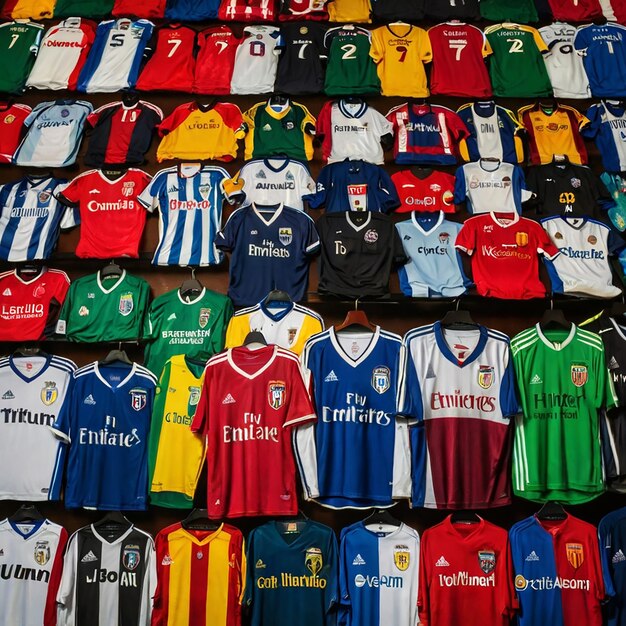
As color television and mass marketing took hold, teams began leaning into contrast, striping, and more daring pattern work to stand out under bright stadium lights. Manufacturers experimented with graphic placements and sharper silhouettes, aiming to create a look that “popped” in motion. For collectors, this period became a turning point: shirts started to mark specific eras, not just tournaments, with memorable graphics linked to iconic moments. If you’re hunting a modern way to celebrate that heritage, explore World Cup football jerseys at Fanaacs to find pieces that echo the tournament’s design journey while still feeling wearable now.
The fabric revolution and performance-first thinking
Once synthetic materials improved, shirts became lighter, faster-drying, and less restrictive. Ventilation zones, stretch panels, and more athletic fits changed how players moved, especially in high-heat tournaments. Stitching methods advanced, too, reducing chafing and making seams flatter against the skin. The visual impact of this shift wasn’t only about shine or texture; it also influenced design restraint, because streamlined fabric often looked cleaner and more technical. In the stands, supporters noticed the difference immediately: new materials felt less like a costume and more like an everyday staple.
Retro revivals and the romance of memory
Designers soon realized that fans weren’t only chasing the newest innovation they also wanted emotional connection. That sparked a wave of throwback cues: classic collars, simplified crests, heritage color palettes, and subtle pinstripes that nodded to past tournaments without fully copying them. This is where nostalgia became a design tool, not just a fan reaction. It also changed shopping habits, because people started building wardrobes around eras, not only teams. For many supporters, these revivals became true fan favorite shirts, prized for the way they connect personal memories with national history.
Cultural storytelling stitched into details
Over time, the most compelling shirts began carrying layered references architectural motifs, traditional textile patterns, geographic shapes, and symbolic colors used with intention. Some designs embed meaning so subtly that it takes a close look to notice, which creates a satisfying “discovery” factor for wearers. Instead of relying on loud graphics, many modern shirts use tone-on-tone elements, embossed textures, or micro-patterning to tell a story without shouting. This approach has made the World Cup shirt feel less like a sports uniform and more like wearable culture, equally at home in a stadium crowd or a city café.
The influence of streetwear and everyday styling
As football style merged with urban fashion, the World Cup shirt started to appear in outfits that had nothing to do with match results. People paired jerseys with denim, layered them under jackets, or styled them with tailored trousers for contrast. That crossover changed the way designers approached silhouettes, aiming for cuts that look good off the pitch as well as on it. The shirt became a centerpiece of game day apparel, but also a flexible wardrobe item that communicates identity, taste, and belonging without requiring a ticket in hand.
Limited releases, collectibles, and global communities
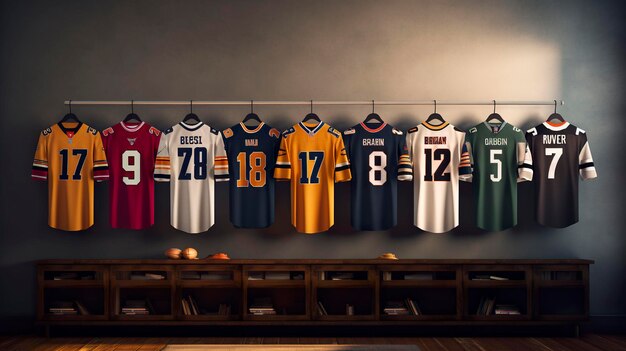
Scarcity has also reshaped the jersey landscape. Special editions, tournament-only drops, and anniversary reissues encourage collecting and trading, while online communities debate the merits of fonts, badges, and minor trim changes like they’re analyzing tactics. This culture elevates the shirt beyond merch into a curated object, where condition, authenticity, and provenance matter. The World Cup amplifies that effect because it creates a hard timestamp: a shirt is forever tied to a specific summer, a specific group of players, and a specific emotional arc that fans remember clearly.
Personalization, names, and the modern fan identity
Adding a player name or custom number transforms a shirt into a personal statement. It can mark a first tournament watched with family, a trip abroad, or a player who inspired someone to start playing. Customization also affects design priorities, such as number readability, font personality, and badge placement, which become crucial because fans see these details up close, not just from the stands. In many ways, this is the peak of football fan fashion, where support becomes styling, and styling becomes a way of telling your own story through the world’s biggest tournament.
Conclusion
The evolution of World Cup shirts is really a history of how the game meets the world: changing technology, shifting aesthetics, and the endless desire to belong to something bigger for a few unforgettable weeks. From heavy early fabrics to engineered modern textiles, from simple blocks of color to intricate cultural references, each era leaves behind a visual signature that fans carry forward. The next tournament will bring new patterns, new materials, and new debates but the core truth will remain: a World Cup shirt is never just a shirt; it’s a time capsule you can wear.
