Perform at Your Peak

Gear Up for Every Challenge


09Jul

Explore how international football uniforms evolved from heavy cotton kits to high-tech, sustainable jerseys across decades of sporting history.

Football is more than a sport — it is a living culture, a spectacle of passion, and a canvas of national identity. Among the many elements that define the beautiful game, the uniforms players wear carry a weight far beyond functionality. They represent pride, heritage, and decades of design innovation. From rough cotton kits of the early twentieth century to the precision-engineered performance wear of today, international football uniforms have transformed dramatically, reflecting both technological progress and shifting cultural values.

From Heavy Cotton to Functional Fabrics

In the earliest days of international football, players took to the pitch wearing heavy woolen jerseys and baggy shorts that absorbed sweat and added unnecessary weight during matches. These early kits were practical in the most basic sense — they covered the body and displayed national colors — but they were far from performance-oriented. Countries had little standardization, and the look of a football uniform was shaped more by availability than design philosophy.

The shift began gradually in the mid-twentieth century, when synthetic fabrics started entering the sporting world. Nylon and polyester blends offered lighter, more durable alternatives to natural fibers, allowing players greater mobility and comfort. National football associations began to take uniform design more seriously, recognizing that what a team wore could affect not only performance but also the psychological impact on players and spectators alike.

The Rise of National Identity Through Kit Design

By the 1950s and 1960s, international football kits had become powerful symbols of national pride. Countries began investing in distinct color schemes, crests, and designs that would make their teams instantly recognizable on the world stage. Brazil's iconic yellow and green, Italy's deep Azzurri blue, and England's classic white all became synonymous with their footballing traditions during this era.

This was also the period when world cup football tops first began to capture global attention through television broadcasts. For the first time, millions of people around the world could see these kits in motion, and the visual identity of national teams became a significant part of tournament culture. Uniform design was no longer a secondary consideration — it was a statement of identity that fans wanted to wear themselves.

The Sponsor Revolution of the 1970s and 1980s

The commercialization of football uniforms accelerated dramatically in the 1970s as major sportswear brands entered the scene. Adidas, Umbro, and later Nike began competing for lucrative contracts with national football federations. This sponsorship era introduced a new dimension to kit design: branding. Manufacturer logos, bold stripes, and new geometric patterns began appearing on jerseys, sometimes clashing with traditional aesthetics but always reflecting the commercial evolution of the sport.

The 1980s brought even bolder experimentation. Kits from this era are now fondly remembered for their vivid color combinations, abstract patterns, and unapologetically graphic designs. Countries like Denmark, the United States, and the Netherlands produced kits that looked more like works of pop art than traditional sportswear. This era celebrated individuality and pushed the boundaries of what a football uniform could look like, setting the stage for even more dramatic design innovation ahead.

Technology Meets Performance in the 1990s and 2000s

As sports science advanced through the 1990s, so did the engineering behind football kits. Moisture-wicking technology became standard, allowing sweat to be drawn away from the body to keep players cooler and more comfortable during intense matches. Lightweight meshes replaced heavier fabrics, and kits began to be tailored more closely to the body to reduce drag and improve aerodynamics.

The 2000s saw a deeper integration of biomechanical research into uniform design. Brands like Nike and Adidas introduced ventilation zones, ergonomic seam placement, and stretch panels that moved with the body rather than restricting it. International teams began wearing kits designed specifically for their playing conditions — lighter fabrics for tropical climates, thermal layers for colder environments. The uniform had evolved from a costume into a piece of athletic equipment.

Cultural Revival and Retro Influence
most iconic designs

A notable trend that emerged strongly in the 2010s was the revival of retro kit aesthetics. Fans and designers began looking back at heritage designs from the 1970s, 1980s, and 1990s with great affection, and many national teams began incorporating nostalgic elements into their modern kits. Vintage color palettes, classic collar styles, and throwback typography reappeared on contemporary jerseys, blending history with modern tailoring.

This cultural nostalgia was not merely a design gimmick — it reflected a deeper desire among football communities to reconnect with the emotional history of the game. Countries like Argentina, Germany, and Portugal released special edition kits celebrating milestone anniversaries, drawing heavily on their most iconic designs. The retro revival proved enormously popular with supporters, reinforcing how deeply football uniforms are embedded in collective memory and national sporting culture.

Sustainability and Ethical Manufacturing in Modern Kit Design

In recent years, sustainability has emerged as one of the most important conversations in international football uniform production. Leading sportswear manufacturers have committed to using recycled materials in their kits, with polyester derived from ocean plastic bottles becoming a popular choice. Major tournament kits are now frequently accompanied by press releases detailing environmental credentials — a significant shift from the days when production ethics were rarely discussed publicly.

Beyond material choices, brands and national federations are increasingly scrutinizing their supply chains and manufacturing practices. There is growing pressure from fans, athletes, and regulatory bodies to ensure that kits are produced under fair labor conditions. This ethical dimension has added a new layer of complexity to what was once purely a design and performance conversation, signaling that the football uniform of the future must balance style, function, and conscience.

Women's Football and the Uniform Equality Movement

The evolution of international football uniforms would be incomplete without acknowledging the long-overdue transformation in women's kit design. For many decades, women's international teams received either adapted versions of men's kits or underfunded alternatives that lacked the same quality and design attention. This disparity reflected broader inequalities within the sport itself.

The rapid growth of women's international football in the 2010s and 2020s changed this significantly. Major brands began designing women's kits from the ground up — built specifically for female athletes, with appropriate fits, cuts, and technical specifications. The 2023 Women's World Cup was a landmark moment, with kits from multiple nations generating commercial excitement comparable to their men's counterparts. The shift represents more than fashion — it symbolizes the sport's acknowledgment that women's football deserves equal investment, equal attention, and equal pride.

What the Future Holds for International Football Kits

Looking ahead, the trajectory of international football uniform design points toward even greater personalization, smart technology integration, and sustainable innovation. There is growing exploration of sensor-embedded fabrics that could monitor player biometrics in real time, feeding data to coaching staff during matches. Color-change materials and programmable textiles — though still largely experimental — hint at a future where kits could adapt visually as well as physically to their environment.

The relationship between fans and football kits is also evolving. Limited-edition releases, player-collaboration designs, and culturally specific artistic partnerships are making kits feel more personal and collectible than ever before. What began as a simple cotton jersey identifying one team from another has become a multibillion-dollar global industry at the intersection of sport, fashion, and technology.

Conclusion

The evolution of international football uniforms is a fascinating story of human ingenuity, cultural pride, and commercial ambition. Each era left its distinct mark — from the early woolen jerseys that carried national colors with simple dignity, to the high-performance, sustainably produced kits of today that reflect a sport deeply conscious of its global responsibilities. As football continues to grow in reach and influence, the uniforms worn on the world's greatest stages will remain among the most visible expressions of who we are, what we value, and how far we have come.
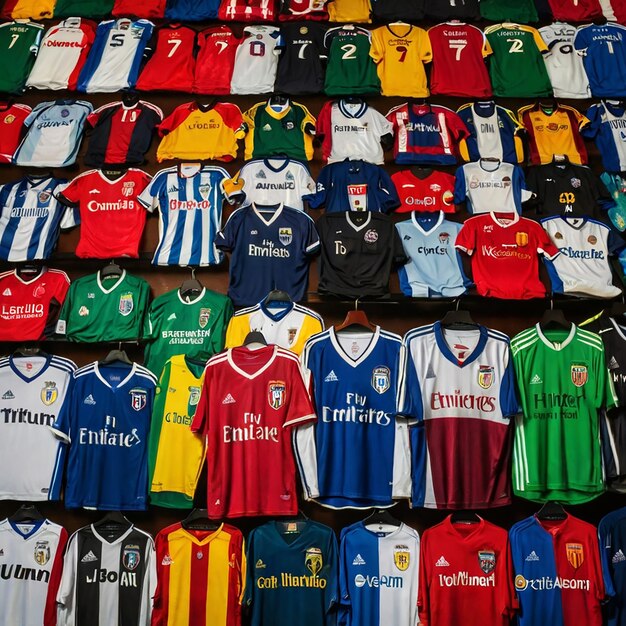
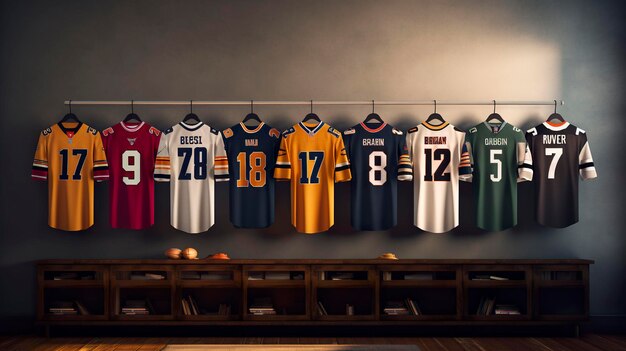
World Cup shirts are far more than uniform pieces worn for ninety minutes. They are moving canvases that capture a nation’s mood, technology’s progress, and the way supporters want to be seen in the streets as much as in the stands. Across decades, these tops have shifted from heavy fabrics and simple badges to engineered performance wear with storytelling woven into every seam. What looks “classic” today was often radical when it first appeared, and what feels modern now will soon become nostalgia.

From simple kits to national symbols

In the early tournaments, shirts were built for basic function: clear colors, sturdy collars, and designs made to survive muddy pitches. Branding was minimal, crests were smaller, and the cut was loose to allow movement without worrying about aerodynamics. Yet even then, supporters began attaching meaning to details—shade choices, collar shapes, and small trim accents that hinted at national identity. As global broadcasts expanded, the shirt became a portable flag, instantly readable on screen and unforgettable in photographs that circulated for generations.

Television, sponsors, and the rise of bold visuals

As color television and mass marketing took hold, teams began leaning into contrast, striping, and more daring pattern work to stand out under bright stadium lights. Manufacturers experimented with graphic placements and sharper silhouettes, aiming to create a look that “popped” in motion. For collectors, this period became a turning point: shirts started to mark specific eras, not just tournaments, with memorable graphics linked to iconic moments. If you’re hunting a modern way to celebrate that heritage, explore World Cup football jerseys at Fanaacs to find pieces that echo the tournament’s design journey while still feeling wearable now.

The fabric revolution and performance-first thinking

Once synthetic materials improved, shirts became lighter, faster-drying, and less restrictive. Ventilation zones, stretch panels, and more athletic fits changed how players moved, especially in high-heat tournaments. Stitching methods advanced, too, reducing chafing and making seams flatter against the skin. The visual impact of this shift wasn’t only about shine or texture; it also influenced design restraint, because streamlined fabric often looked cleaner and more technical. In the stands, supporters noticed the difference immediately: new materials felt less like a costume and more like an everyday staple.

Retro revivals and the romance of memory

Designers soon realized that fans weren’t only chasing the newest innovation they also wanted emotional connection. That sparked a wave of throwback cues: classic collars, simplified crests, heritage color palettes, and subtle pinstripes that nodded to past tournaments without fully copying them. This is where nostalgia became a design tool, not just a fan reaction. It also changed shopping habits, because people started building wardrobes around eras, not only teams. For many supporters, these revivals became true fan favorite shirts, prized for the way they connect personal memories with national history.

Cultural storytelling stitched into details

Over time, the most compelling shirts began carrying layered references architectural motifs, traditional textile patterns, geographic shapes, and symbolic colors used with intention. Some designs embed meaning so subtly that it takes a close look to notice, which creates a satisfying “discovery” factor for wearers. Instead of relying on loud graphics, many modern shirts use tone-on-tone elements, embossed textures, or micro-patterning to tell a story without shouting. This approach has made the World Cup shirt feel less like a sports uniform and more like wearable culture, equally at home in a stadium crowd or a city café. 

The influence of streetwear and everyday styling

As football style merged with urban fashion, the World Cup shirt started to appear in outfits that had nothing to do with match results. People paired jerseys with denim, layered them under jackets, or styled them with tailored trousers for contrast. That crossover changed the way designers approached silhouettes, aiming for cuts that look good off the pitch as well as on it. The shirt became a centerpiece of game day apparel, but also a flexible wardrobe item that communicates identity, taste, and belonging without requiring a ticket in hand.

Limited releases, collectibles, and global communities

Scarcity has also reshaped the jersey landscape. Special editions, tournament-only drops, and anniversary reissues encourage collecting and trading, while online communities debate the merits of fonts, badges, and minor trim changes like they’re analyzing tactics. This culture elevates the shirt beyond merch into a curated object, where condition, authenticity, and provenance matter. The World Cup amplifies that effect because it creates a hard timestamp: a shirt is forever tied to a specific summer, a specific group of players, and a specific emotional arc that fans remember clearly.

Personalization, names, and the modern fan identity

Adding a player name or custom number transforms a shirt into a personal statement. It can mark a first tournament watched with family, a trip abroad, or a player who inspired someone to start playing. Customization also affects design priorities, such as number readability, font personality, and badge placement, which become crucial because fans see these details up close, not just from the stands. In many ways, this is the peak of football fan fashion, where support becomes styling, and styling becomes a way of telling your own story through the world’s biggest tournament.

Conclusion

The evolution of World Cup shirts is really a history of how the game meets the world: changing technology, shifting aesthetics, and the endless desire to belong to something bigger for a few unforgettable weeks. From heavy early fabrics to engineered modern textiles, from simple blocks of color to intricate cultural references, each era leaves behind a visual signature that fans carry forward. The next tournament will bring new patterns, new materials, and new debates but the core truth will remain: a World Cup shirt is never just a shirt; it’s a time capsule you can wear.

23Jan

Adding a classic match shirt to your wardrobe is not simply about buying another piece of sportswear; it is about embracing history, culture, and identity. These shirts often represent unforgettable moments, iconic players, and matches that shaped the spirit of the game. Before making such an addition, it helps to understand what sets a classic design apart from modern replicas and fast-fashion alternatives. From fabric choices to emotional value, every detail contributes to the significance of owning one. This guide explores the essential aspects you should consider, helping you choose a piece that feels meaningful rather than impulsive. Thoughtful selection ensures your closet gains an item that tells a story and remains timeless.

Understanding the Legacy of Matchwear

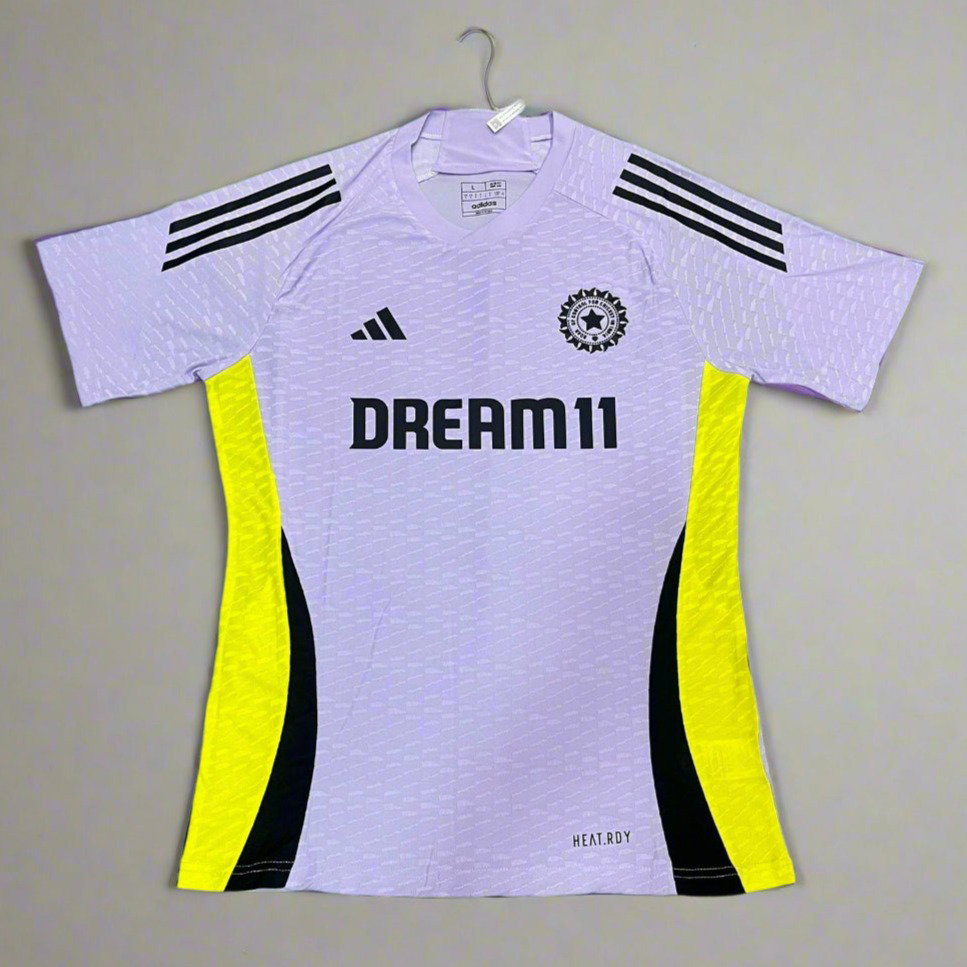
Classic match shirts are rooted in tradition, reflecting eras when designs were simpler yet deeply symbolic. Each stitch often mirrors a particular tournament, series, or historic performance that fans still discuss today. Collectors and enthusiasts value these garments for their authenticity and the memories they evoke. When exploring reputable sources, many fans notice that Fanaacs offers Indian cricket team jersey options that echo the heritage of iconic matches while balancing modern comfort. Such apparel becomes more than fabric; it becomes a reminder of legendary days on the field and the pride associated with supporting a team through changing generations.

Material and Craftsmanship Considerations

The quality of material plays a crucial role in determining whether a match shirt truly deserves a place in your wardrobe especially when you’re investing in must-have cricket kits. Classic designs were often crafted with durability in mind, meant to withstand intense play and frequent wear. When evaluating a shirt, check the weave, breathability, and stitching precision. Midway through your assessment, you may realize how platforms like Fanaacs offer Indian cricket team jersey collections that combine traditional aesthetics with improved textile technology. This blend ensures the garment feels authentic while still being comfortable for everyday wear or special occasions.

Fit, Comfort, and Practical Wearability

A classic match shirt should feel as good as it looks. While older designs may appear boxy compared to modern cuts, the right fit can still complement your style. Comfort matters whether you plan to wear it during casual outings, friendly games, or match-day gatherings. A thoughtfully chosen shirt allows movement without feeling restrictive. As you explore options, understanding how sizing standards have evolved helps you make a better choice. Many contemporary recreations inspired by heritage designs now adapt classic silhouettes for modern body types, making them easier to wear confidently.

Cultural and Emotional Value

Cricket shirts often carry deep cultural meaning, symbolizing unity and shared passion across generations. Wearing one can instantly connect you with fellow supporters who recognize its significance. In conversations among fans, the emotion behind cricket frequently surfaces as a reason these garments feel so personal. A classic match shirt may remind you of watching games with family, celebrating wins with friends, or admiring a favorite player’s dedication. Such emotional connections transform apparel into keepsakes, making the decision to own one more heartfelt than fashionable.

Styling a Timeless Sports Icon

Incorporating a classic match shirt into everyday fashion requires creativity and balance. Pairing it with neutral jeans, jackets, or sneakers allows the shirt to stand out without overwhelming your look. Some prefer wearing it during matches, while others style it casually for social gatherings. As trends evolve, these shirts remain versatile, proving their lasting appeal. Somewhere in the middle of your styling journey, you may discover that Fanaacs offers indian cricket team jersey designs that blend seamlessly with contemporary wardrobes while preserving their historic charm.

Authenticity and Ethical Purchasing

Authenticity is essential when investing in classic-inspired apparel. Many reproductions flood the market, but not all respect the original design or manufacturing standards. Checking brand credibility, material sourcing, and production ethics ensures your purchase aligns with your values. Ethical brands focus on fair labor practices and sustainable materials, adding another layer of satisfaction to your choice. Owning a shirt that honors the sport responsibly can enhance your connection to it, knowing your support extends beyond fandom to responsible consumerism.

Investment and Long-Term Value

A classic match shirt can also be viewed as a long-term investment. Limited editions or historically inspired designs often gain value over time, especially when kept in good condition. Proper care, such as gentle washing and careful storage, preserves color and fabric integrity. For many fans, these shirts mark milestones and help celebrate every victory in a tangible way. Whether worn or displayed, their value lies not only in potential resale but in the memories and pride they represent over the years.

Conclusion

Choosing to add a classic match shirt to your closet is a thoughtful decision that blends history, style, and personal connection. By considering legacy, craftsmanship, comfort, and authenticity, you ensure the piece you select feels meaningful and enduring. Such shirts transcend trends, offering a way to express loyalty and appreciation for the sport’s rich past. When chosen carefully, they become more than apparel, serving as lasting reminders of iconic moments and the joy that cricket continues to bring into everyday life.

15Jul

Edit your Blog articles from the Pages tab by clicking the edit button. You can also change the title listed above and add new blog articles as well.

This is a generic blog article you can use for adding blog content / subjects on your website.
You can edit all of this text and replace it with anything you have to say on your blog. You can also change the title listed above and add new blog articles as well.
Edit your Blog articles from the Pages tab by clicking the edit button. This is a generic blog article you can use for adding blog content / subjects on your website.

You can edit all of this text and replace it with anything you have to say on your blog. You can also change the title listed above and add new blog articles as well.
Edit your Blog articles from the Pages tab by clicking the edit button.

This is a generic blog article you can use for adding blog content / subjects on your website. You can edit all of this text and replace it with anything you have to say on your blog. You can also change the title listed above and add new blog articles as well. Edit your Blog articles from the Pages tab by clicking the edit button. This is a generic blog article you can use for adding blog content / subjects on your website. You can edit all of this text and replace it with anything you have to say on your blog.
You can also change the title listed above and add new blog articles as well.
Edit your Blog articles from the Pages tab by clicking the edit button.


This is a generic blog article you can use for adding blog content / subjects on your website.

You can edit all of this text and replace it with anything you have to say on your blog. You can also change the title listed above and add new blog articles as well.
Edit your Blog articles from the Pages tab by clicking the edit button.

This is a generic blog article you can use for adding blog content / subjects on your website.
You can edit all of this text and replace it with anything you have to say on your blog. You can also change the title listed above and add new blog articles as well.

Edit your Blog articles from the Pages tab by clicking the edit button.

08Apr

You can edit all of this text and replace it with anything you have to say on your blog. You can also change the title listed above and add new blog articles as well.

This is a generic blog article you can use for adding blog content / subjects on your website.
You can edit all of this text and replace it with anything you have to say on your blog. You can also change the title listed above and add new blog articles as well.
Edit your Blog articles from the Pages tab by clicking the edit button. This is a generic blog article you can use for adding blog content / subjects on your website.

You can edit all of this text and replace it with anything you have to say on your blog. You can also change the title listed above and add new blog articles as well.
Edit your Blog articles from the Pages tab by clicking the edit button.

This is a generic blog article you can use for adding blog content / subjects on your website. You can edit all of this text and replace it with anything you have to say on your blog. You can also change the title listed above and add new blog articles as well. Edit your Blog articles from the Pages tab by clicking the edit button. This is a generic blog article you can use for adding blog content / subjects on your website. You can edit all of this text and replace it with anything you have to say on your blog.
You can also change the title listed above and add new blog articles as well.
Edit your Blog articles from the Pages tab by clicking the edit button.


This is a generic blog article you can use for adding blog content / subjects on your website.

You can edit all of this text and replace it with anything you have to say on your blog. You can also change the title listed above and add new blog articles as well.
Edit your Blog articles from the Pages tab by clicking the edit button.

This is a generic blog article you can use for adding blog content / subjects on your website.
You can edit all of this text and replace it with anything you have to say on your blog. You can also change the title listed above and add new blog articles as well.

Edit your Blog articles from the Pages tab by clicking the edit button.

01May

This is a generic blog article you can use for adding blog content / subjects on your website. You can edit all of this text and replace it with anything you have to say on your blog.

This is a generic blog article you can use for adding blog content / subjects on your website.
You can edit all of this text and replace it with anything you have to say on your blog. You can also change the title listed above and add new blog articles as well.
Edit your Blog articles from the Pages tab by clicking the edit button. This is a generic blog article you can use for adding blog content / subjects on your website.

You can edit all of this text and replace it with anything you have to say on your blog. You can also change the title listed above and add new blog articles as well.
Edit your Blog articles from the Pages tab by clicking the edit button.

This is a generic blog article you can use for adding blog content / subjects on your website. You can edit all of this text and replace it with anything you have to say on your blog. You can also change the title listed above and add new blog articles as well. Edit your Blog articles from the Pages tab by clicking the edit button. This is a generic blog article you can use for adding blog content / subjects on your website. You can edit all of this text and replace it with anything you have to say on your blog.
You can also change the title listed above and add new blog articles as well.
Edit your Blog articles from the Pages tab by clicking the edit button.


This is a generic blog article you can use for adding blog content / subjects on your website.

You can edit all of this text and replace it with anything you have to say on your blog. You can also change the title listed above and add new blog articles as well.
Edit your Blog articles from the Pages tab by clicking the edit button.

This is a generic blog article you can use for adding blog content / subjects on your website.
You can edit all of this text and replace it with anything you have to say on your blog. You can also change the title listed above and add new blog articles as well.

Edit your Blog articles from the Pages tab by clicking the edit button.

03Sep

This is a generic blog article you can use for adding blog content / subjects on your website. Edit your Blog articles from the Pages tab by clicking the edit button.

There are millions of cricket fans worldwide who are bound together by a love of the game that goes beyond mere athleticism. For many, owning a team kit is not just about showing support but also about celebrating the sport’s legacy and culture. In recent years, limited edition cricket kits have captured the imagination of fans, offering unique designs, special themes, and exclusive styles that quickly become collector’s items. These kits carry both sentimental and fashionable value, making them must-have pieces for cricket enthusiasts everywhere.

The Allure of Limited Edition Kits

Fans are always eager to get their hands on exclusive merchandise, especially when it comes to their favorite teams. The thrill of owning something that only a select group of supporters possess adds to the excitement. That’s why so many choose to click Fanaacs for cricket team jerseys, knowing they’ll find authentic and rare designs before they sell out. Limited edition kits often mark important events such as World Cups, anniversaries, or player milestones, making them more than just sportswear they’re pieces of cricket history.

A Blend of Performance and Style

What sets limited edition cricket kits apart is their combination of performance-driven materials and stylish design. These kits are created with fabrics that enhance comfort and breathability, ensuring they perform just as well on the field as they look off it. Beyond the technical aspects, their bold patterns, vibrant colors, and exclusive detailing make them fashionable items that fans proudly wear in everyday life, not just on match days.

Symbol of Team Loyalty

Wearing a cricket kit is one of the strongest ways a fan can express loyalty to their team. Limited editions elevate this loyalty further by offering designs that stand out. Much like how strength in teamwork unites players on the field, these unique kits unite fans off the field as shared symbols of pride. Fans don’t just wear them to matches they wear them as symbols of pride, identity, and connection to the larger cricket community. Each limited edition kit is a symbol of dedication that supporters may wear to show their connection to the game and their team.

The Collector’s Value

For many fans, limited edition kits are not just apparel but collectibles. Just like rare memorabilia, these jerseys often gain value over time, both emotionally and financially. In the same way that cricket match outfits connect passion with identity, limited editions embody loyalty and legacy. Some supporters frame them, others preserve them for years, while a few even pass them down as keepsakes. The rarity and uniqueness of these items make them timeless, ensuring they remain a treasured part of any fan’s cricket journey.

Growing Popularity Across the Globe

While cricket has always been popular in regions like South Asia, Australia, and England, the craze for limited edition kits is now global. Fans across continents are showing interest, fueled by social media and online platforms. The worldwide demand for these kits highlights cricket’s evolving role as both a sport and a fashion statement, cementing their place in the wardrobes of international supporters.

Accessibility for Modern Fans

One of the best parts about today’s market is that fans no longer need to travel to stadiums or stores to buy exclusive merchandise. Online platforms make limited edition cricket kits easily accessible to anyone around the world. Many fans choose to click Fanaacs for cricket team jerseys, knowing they can browse and order authentic pieces right from home. Among these, legendary kit designs stand out as timeless symbols of passion, making it easier for supporters everywhere to stay connected to the game they love.

Perfect Gift for Cricket Lovers

Limited edition cricket kits also make ideal gifts for passionate fans. Whether for birthdays, festive occasions, or as a surprise before a big tournament, gifting such a jersey shows thoughtfulness and an understanding of the recipient’s love for cricket. Since these kits hold both practical and emotional value, they stand out as unique and memorable presents that leave lasting impressions.

Conclusion

Limited edition cricket kits are more than just team apparel they are emblems of pride, loyalty, and cultural identity. With their unique designs, performance quality, and collectible value, these jerseys have become an essential part of cricket fandom. As demand grows globally, owning one has become a way for fans to celebrate not only their team but also their connection to the game’s spirit. For anyone passionate about cricket, securing a limited edition kit is an opportunity that should never be missed.

Enhance Your Workout
The Perfect Fit for Every Athlete

Premium Sportswear

Premium Sportswear

Explore a variety of activewear engineered with high-performance fabrics to keep you comfortable and focused.

Personalized Fitting

Personalized Fitting

Receive professional guidance to find the perfect fit for your body and activity level.

Express Shipping

Express Shipping

Benefit from fast and reliable delivery to ensure you have your gear when you need it.


About Us
Welcome to our sportswear store, where dedication meets innovation. We pride ourselves on delivering premium-quality activewear designed to elevate your performance and comfort. Our selection ranges from cutting-edge materials to stylish designs tailored for every fitness enthusiast. Join our community and let us inspire your fitness journey.


  • India
  •  Mon-Fri - 08:00-19:00
I BUILT MY SITE FOR FREE USING