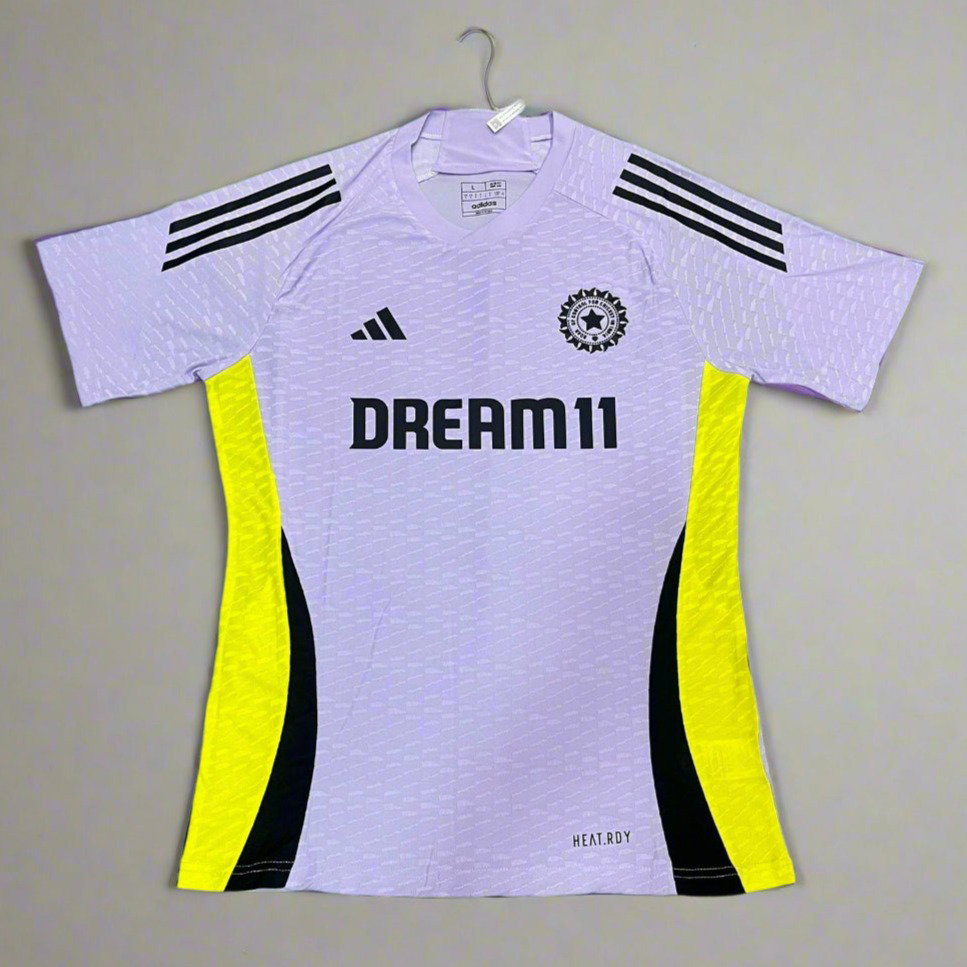
Explore how international football uniforms evolved from heavy cotton kits to high-tech, sustainable jerseys across decades of sporting history.
Football is more than a sport — it is a living culture, a spectacle of passion, and a canvas of national identity. Among the many elements that define the beautiful game, the uniforms players wear carry a weight far beyond functionality. They represent pride, heritage, and decades of design innovation. From rough cotton kits of the early twentieth century to the precision-engineered performance wear of today, international football uniforms have transformed dramatically, reflecting both technological progress and shifting cultural values.
From Heavy Cotton to Functional Fabrics
In the earliest days of international football, players took to the pitch wearing heavy woolen jerseys and baggy shorts that absorbed sweat and added unnecessary weight during matches. These early kits were practical in the most basic sense — they covered the body and displayed national colors — but they were far from performance-oriented. Countries had little standardization, and the look of a football uniform was shaped more by availability than design philosophy.
The shift began gradually in the mid-twentieth century, when synthetic fabrics started entering the sporting world. Nylon and polyester blends offered lighter, more durable alternatives to natural fibers, allowing players greater mobility and comfort. National football associations began to take uniform design more seriously, recognizing that what a team wore could affect not only performance but also the psychological impact on players and spectators alike.
The Rise of National Identity Through Kit Design
By the 1950s and 1960s, international football kits had become powerful symbols of national pride. Countries began investing in distinct color schemes, crests, and designs that would make their teams instantly recognizable on the world stage. Brazil's iconic yellow and green, Italy's deep Azzurri blue, and England's classic white all became synonymous with their footballing traditions during this era.
This was also the period when world cup football tops first began to capture global attention through television broadcasts. For the first time, millions of people around the world could see these kits in motion, and the visual identity of national teams became a significant part of tournament culture. Uniform design was no longer a secondary consideration — it was a statement of identity that fans wanted to wear themselves.
The Sponsor Revolution of the 1970s and 1980s
The commercialization of football uniforms accelerated dramatically in the 1970s as major sportswear brands entered the scene. Adidas, Umbro, and later Nike began competing for lucrative contracts with national football federations. This sponsorship era introduced a new dimension to kit design: branding. Manufacturer logos, bold stripes, and new geometric patterns began appearing on jerseys, sometimes clashing with traditional aesthetics but always reflecting the commercial evolution of the sport.
The 1980s brought even bolder experimentation. Kits from this era are now fondly remembered for their vivid color combinations, abstract patterns, and unapologetically graphic designs. Countries like Denmark, the United States, and the Netherlands produced kits that looked more like works of pop art than traditional sportswear. This era celebrated individuality and pushed the boundaries of what a football uniform could look like, setting the stage for even more dramatic design innovation ahead.
Technology Meets Performance in the 1990s and 2000s
As sports science advanced through the 1990s, so did the engineering behind football kits. Moisture-wicking technology became standard, allowing sweat to be drawn away from the body to keep players cooler and more comfortable during intense matches. Lightweight meshes replaced heavier fabrics, and kits began to be tailored more closely to the body to reduce drag and improve aerodynamics.
The 2000s saw a deeper integration of biomechanical research into uniform design. Brands like Nike and Adidas introduced ventilation zones, ergonomic seam placement, and stretch panels that moved with the body rather than restricting it. International teams began wearing kits designed specifically for their playing conditions — lighter fabrics for tropical climates, thermal layers for colder environments. The uniform had evolved from a costume into a piece of athletic equipment.
Cultural Revival and Retro Influence
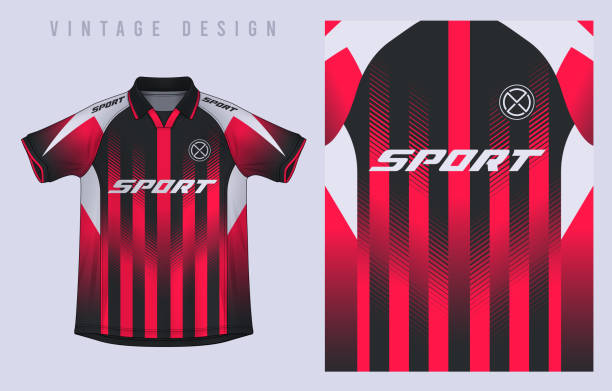
A notable trend that emerged strongly in the 2010s was the revival of retro kit aesthetics. Fans and designers began looking back at heritage designs from the 1970s, 1980s, and 1990s with great affection, and many national teams began incorporating nostalgic elements into their modern kits. Vintage color palettes, classic collar styles, and throwback typography reappeared on contemporary jerseys, blending history with modern tailoring.
This cultural nostalgia was not merely a design gimmick — it reflected a deeper desire among football communities to reconnect with the emotional history of the game. Countries like Argentina, Germany, and Portugal released special edition kits celebrating milestone anniversaries, drawing heavily on their most iconic designs. The retro revival proved enormously popular with supporters, reinforcing how deeply football uniforms are embedded in collective memory and national sporting culture.
Sustainability and Ethical Manufacturing in Modern Kit Design
In recent years, sustainability has emerged as one of the most important conversations in international football uniform production. Leading sportswear manufacturers have committed to using recycled materials in their kits, with polyester derived from ocean plastic bottles becoming a popular choice. Major tournament kits are now frequently accompanied by press releases detailing environmental credentials — a significant shift from the days when production ethics were rarely discussed publicly.
Beyond material choices, brands and national federations are increasingly scrutinizing their supply chains and manufacturing practices. There is growing pressure from fans, athletes, and regulatory bodies to ensure that kits are produced under fair labor conditions. This ethical dimension has added a new layer of complexity to what was once purely a design and performance conversation, signaling that the football uniform of the future must balance style, function, and conscience.
Women's Football and the Uniform Equality Movement
The evolution of international football uniforms would be incomplete without acknowledging the long-overdue transformation in women's kit design. For many decades, women's international teams received either adapted versions of men's kits or underfunded alternatives that lacked the same quality and design attention. This disparity reflected broader inequalities within the sport itself.
The rapid growth of women's international football in the 2010s and 2020s changed this significantly. Major brands began designing women's kits from the ground up — built specifically for female athletes, with appropriate fits, cuts, and technical specifications. The 2023 Women's World Cup was a landmark moment, with kits from multiple nations generating commercial excitement comparable to their men's counterparts. The shift represents more than fashion — it symbolizes the sport's acknowledgment that women's football deserves equal investment, equal attention, and equal pride.
What the Future Holds for International Football Kits
Looking ahead, the trajectory of international football uniform design points toward even greater personalization, smart technology integration, and sustainable innovation. There is growing exploration of sensor-embedded fabrics that could monitor player biometrics in real time, feeding data to coaching staff during matches. Color-change materials and programmable textiles — though still largely experimental — hint at a future where kits could adapt visually as well as physically to their environment.
The relationship between fans and football kits is also evolving. Limited-edition releases, player-collaboration designs, and culturally specific artistic partnerships are making kits feel more personal and collectible than ever before. What began as a simple cotton jersey identifying one team from another has become a multibillion-dollar global industry at the intersection of sport, fashion, and technology.
Conclusion
The evolution of international football uniforms is a fascinating story of human ingenuity, cultural pride, and commercial ambition. Each era left its distinct mark — from the early woolen jerseys that carried national colors with simple dignity, to the high-performance, sustainably produced kits of today that reflect a sport deeply conscious of its global responsibilities. As football continues to grow in reach and influence, the uniforms worn on the world's greatest stages will remain among the most visible expressions of who we are, what we value, and how far we have come.